If you’ve started exploring the world of precious metals, you’ve likely come across the term “troy ounce.” This specialized unit is the standard measure for valuing metals like gold, silver, platinum, and palladium. But what sets a troy ounce apart from the ounces we encounter in everyday life?
This guide will clarify the meaning of a troy ounce, delve into its intriguing historical background, and explain its ongoing significance in the precious metals market. You will also learn the key differences between troy ounces and standard ounces, as well as how to make accurate conversions for your investments.
What Makes the Troy Ounce Unique?
The troy ounce is a specialized weight measurement used exclusively for precious metals. Unlike the standard (or avoirdupois) ounce, commonly used for everyday items like food and household goods, one troy ounce is equivalent to approximately 1.097 standard ounces or 31.103 grams.
Though this difference may appear minor, in the high-stakes realm of precious metals, even slight variations can significantly influence the valuation of your assets. The troy ounce provides an accurate and consistent measure, ensuring transparency in trading and pricing.
Tracing the Origins of the Troy Ounce
The origins of the troy ounce are steeped in history, with two main theories regarding its source:
- Medieval France: The trade city of Troyes, France, is often credited as the birthplace of the troy weight system. Merchants in this city used a standardized unit where one troy ounce equaled 480 grains of barley. This system quickly gained popularity due to its reliability in commerce.
- Ancient Rome: Another theory connects the troy ounce to the Roman monetary system. The Romans measured weight in “uncia,” which is roughly equivalent to 31.1 grams—remarkably close to the modern troy ounce.
By the 15th century, England adopted the troy system to align its coinage with that of France. Later, in 1828, the United States incorporated the troy ounce into its standard for precious metals, solidifying its global use.
Troy Ounce vs. Standard Ounce: Key Differences
Grasping the difference between a troy ounce and a standard ounce (also referred to as an avoirdupois ounce) is essential when dealing with precious metals:
- Weight: A troy ounce is equivalent to 31.103 grams, whereas a standard ounce weighs 28.349 grams.
- Pounds: A troy pound is lighter, comprising 12 troy ounces, while a standard pound includes 16 ounces.
- Usage: Troy ounces are specifically used for weighing precious metals, whereas standard ounces are applied to most other goods.
This differentiation ensures that transactions in the precious metals market remain precise and consistent, avoiding any confusion over weight measurements.
Conversion Guide: Troy Ounce in Other Units
For quick reference, here’s how a single troy ounce compares to other units.
| Unit | Equivalent Value |
|---|---|
| Standard Ounce | 1.097 |
| Grams | 31.103 |
| Pounds | 0.0685 |
| Kilograms | 0.0311 |
| Grains | 480 |
| Pennyweights | 20 |
| Carats | 155.517 |
The Role of Troy Ounces in Precious Metals
Troy ounces play a vital role in the valuation of gold, silver, platinum, and palladium:
- Gold and Silver: Historically used as currencies and stores of value.
- Platinum: Valued for its rarity and industrial applications, particularly in the automotive and jewelry industries.
- Palladium: A key material in electronics and healthcare, often mined alongside platinum.
Each metal offers unique investment opportunities, with the troy ounce providing a consistent standard for measurement.
FAQs: Common Questions About Troy Ounces
Why is a troy ounce heavier than a standard ounce?
The troy ounce’s greater weight arises from its historical design aimed at ensuring precision in precious metals trading.
How many grains are in a troy ounce?
One troy ounce contains 480 grains, a unit that is rarely used outside specialized contexts today.
What is the significance of the troy pound?
The troy pound, which consists of 12 troy ounces, is lighter than the standard pound, made up of 16 ounces.
Why are precious metals measured in troy ounces?
The troy ounce provides consistency and accuracy in global markets, helping to avoid discrepancies in weight measurements.
Final Thoughts
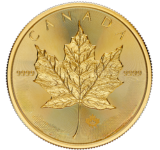
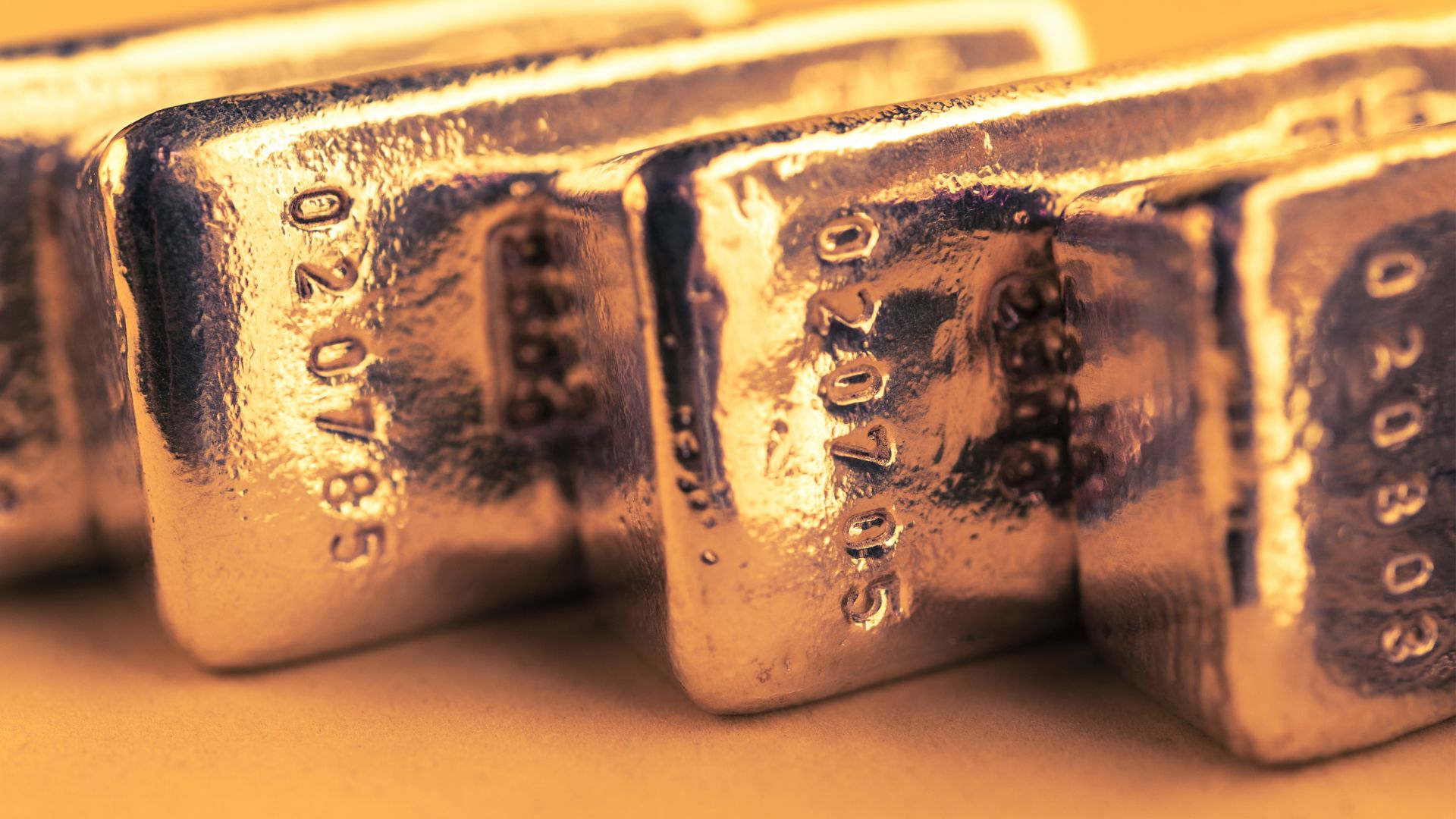
The troy ounce remains a cornerstone of the precious metals industry, offering a precise and standardized way to measure value. Whether you’re buying gold coins, silver bars, or platinum jewelry, understanding this unit will empower you to make informed decisions.
By mastering the troy ounce and its applications, you’ll be well-equipped to navigate the precious metals market and assess your investments with confidence.